Choose support for the seat you have
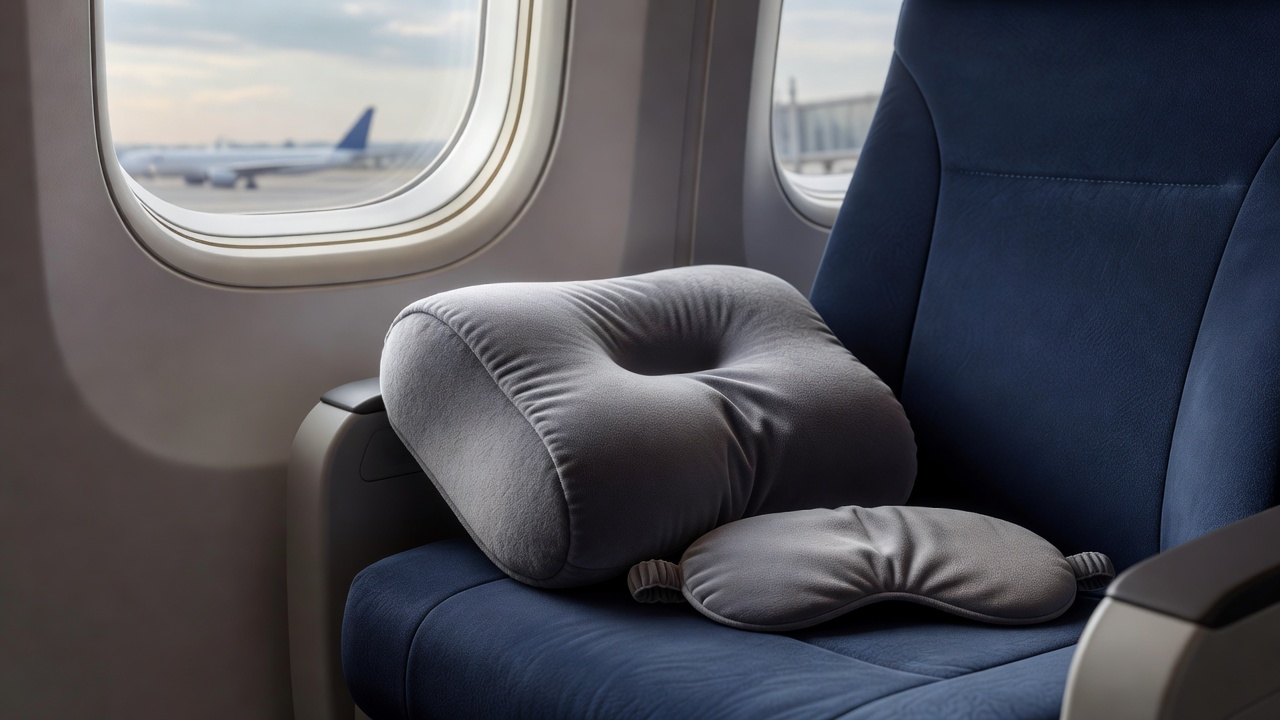
A travel pillow is useful only if its shape works with your body and the seat behind you. A thick rear section can push the head forward against an upright headrest. A loose wrap may offer little support when you lean sideways. Try a pillow while seated, not just standing in a shop, and check whether you can turn your head comfortably.
Inflatable pillows pack down well and let you adjust firmness, but seams and valves can be noticeable. Foam designs are often bulkier and can take up more space than their marketing photographs suggest. Ask where the pillow will go when it is not in use. Clipping it outside a bag may expose a face-contact surface to floors, weather and crowded luggage racks.
A removable washable cover is helpful, provided the inner material can also be maintained as instructed. Dry everything fully before storage. If you already find a folded jumper comfortable for a short journey, a dedicated pillow may add little. Persistent pain or a condition affecting your neck deserves individual clinical advice, not a more elaborate accessory.
Reduce disturbance without losing awareness
An eye mask can make bright surroundings less distracting, but fit determines whether it stays comfortable. Check pressure around the eyes, strap adjustment and how the fabric behaves when warm. Contoured masks offer clearance for eyelashes but usually occupy more space. Washable, simple construction is valuable for something that repeatedly touches your skin.
Earplugs and active noise-cancelling headphones solve different problems. Earplugs depend strongly on fit and correct use. Headphones need power and can be uncomfortable against a headrest or when leaning sideways. Active noise cancellation can reduce some continuous sound, but it does not remove every announcement, conversation or sudden noise.
Keep playback at a sensible level and remain able to respond to crew instructions, alarms and the environment around you. The World Health Organization’s hearing information is a useful starting point for safe listening. Replace single-use earplugs as directed and clean reusable products according to their instructions. Do not share in-ear items casually, and stop using anything that causes irritation.
Use layers before specialised kit
A familiar lightweight layer handles a common inconvenience: temperatures that change between a station, an aircraft and the street outside. Choose something you can put on or remove without emptying your bag. A garment you will also wear at your destination is often a better use of volume than a blanket carried for one section of the journey.
A reusable bottle can be helpful where safe drinking-water refills are available. Check screening requirements and empty it where required before inspection. Look for a lid you can clean thoroughly, rather than a complicated mechanism with inaccessible seals. A collapsible bottle saves space when empty, but may be harder to dry and less stable on a narrow table.
Footrests, seat attachments and inflatable bed products need particular caution. They may obstruct space or be prohibited by an operator, even when advertised for travel. Check with the carrier before packing one and never block an aisle or emergency exit. The European Union Aviation Safety Agency’s passenger-facing information offers general safety context; crew instructions and the operating airline’s rules govern the actual journey.
Keep comfort separate from medical claims
A long journey is not a problem that accessories alone can solve. Where it is safe and permitted, change position and follow suitable advice about movement. Compression stockings require more care than an ordinary clothing purchase: suitability, fit and medical history matter. Ask a clinician or pharmacist when appropriate, especially if you have circulation problems or other risk factors.
The Centers for Disease Control and Prevention’s Travelers’ Health pages and the NHS guidance on deep vein thrombosis provide health context, not a personal assessment through this website. We do not recommend products as treatment, and no pillow, sock or mask can guarantee comfort or prevent a medical complication.
Before departure, spend a quiet hour with the items you intend to use. Check whether the mask presses, the headphones run out of power or the pillow fights your normal posture. Pack only what helps enough to justify its volume. Being able to find and clean a modest comfort kit is usually more useful than carrying several untested alternatives.
This is general product information, not medical advice. Individual needs and carrier policies differ; check authoritative guidance and seek qualified advice where needed.